Case Study: Transforming a Southfield Home with Strategic HVAC Upgrades
Introduction to the Project
In the heart of Southfield, a homeowner faced significant challenges with an outdated HVAC system that was both inefficient and costly. The need for a modern solution became apparent as energy bills soared and indoor comfort levels plummeted. This case study explores the strategic upgrades implemented to transform the home’s HVAC system, resulting in enhanced efficiency and comfort.
Initial Assessment
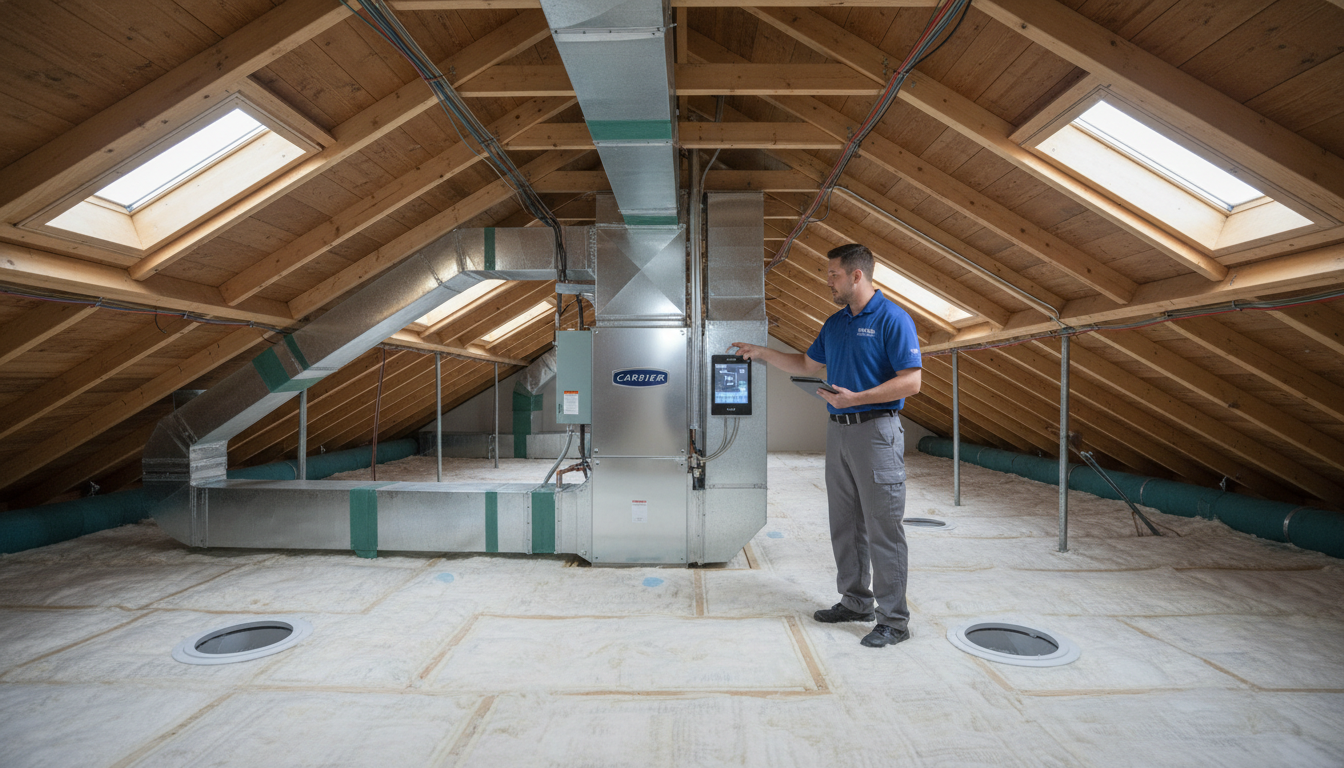
The first step in the transformation process was a thorough assessment of the existing HVAC setup. Our team conducted an in-depth analysis, identifying several key issues:
- Inefficient air distribution
- Outdated equipment
- Poor insulation
These factors were not only contributing to high energy costs but also creating uneven temperatures throughout the home. Addressing these problems required a comprehensive and strategic approach.
Strategic Upgrade Plan
To tackle the identified issues, a tailored upgrade plan was developed. The strategy focused on three main areas:
- Replacing outdated equipment with energy-efficient models
- Improving air distribution through ductwork enhancements
- Enhancing insulation for better temperature control
Each step was meticulously planned to ensure a seamless transition and minimal disruption to the homeowner’s daily life.
Implementation Process
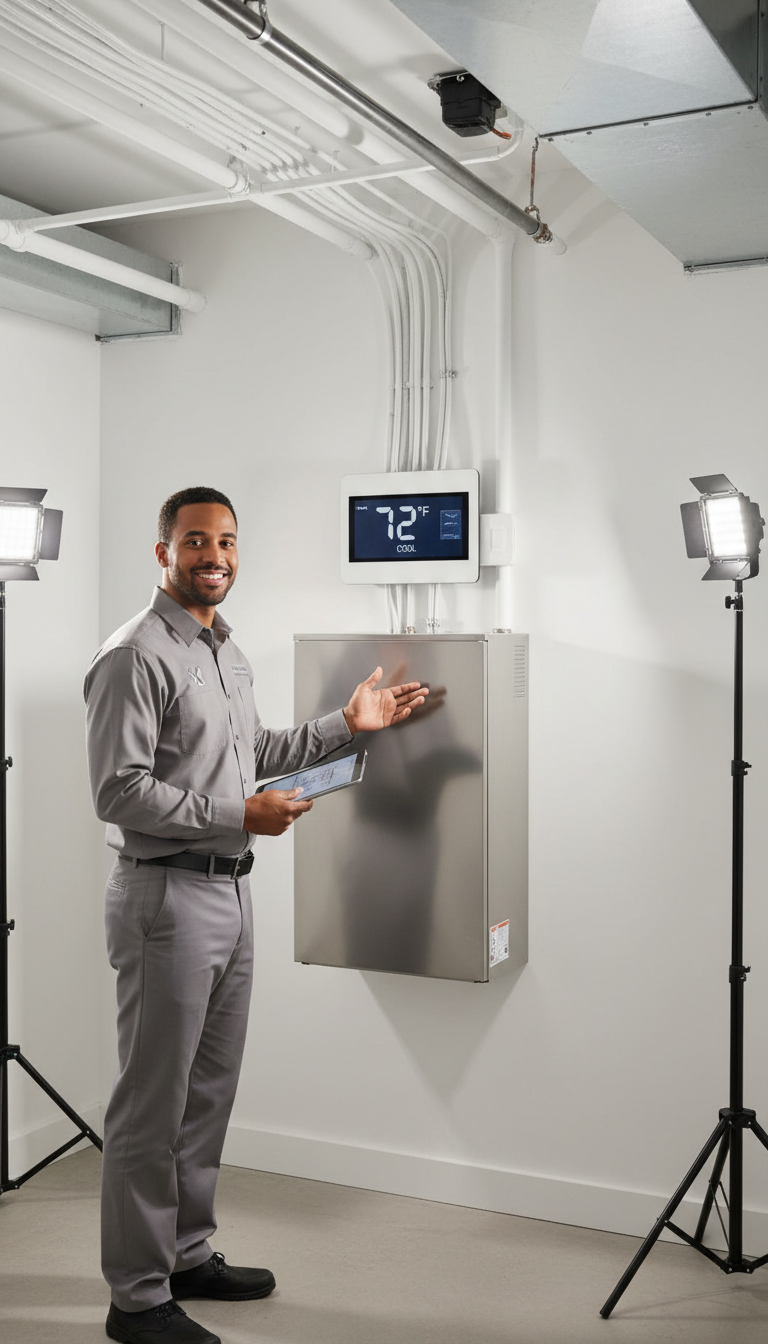
Execution of the upgrade plan began with the installation of a state-of-the-art HVAC system. This new system not only promised increased efficiency but also featured smart technology for improved control and monitoring.
The ductwork was redesigned to optimize air flow, ensuring even distribution of heated or cooled air throughout the home. Additionally, insulation improvements were made to prevent energy loss, further enhancing the system's performance.
Results and Benefits
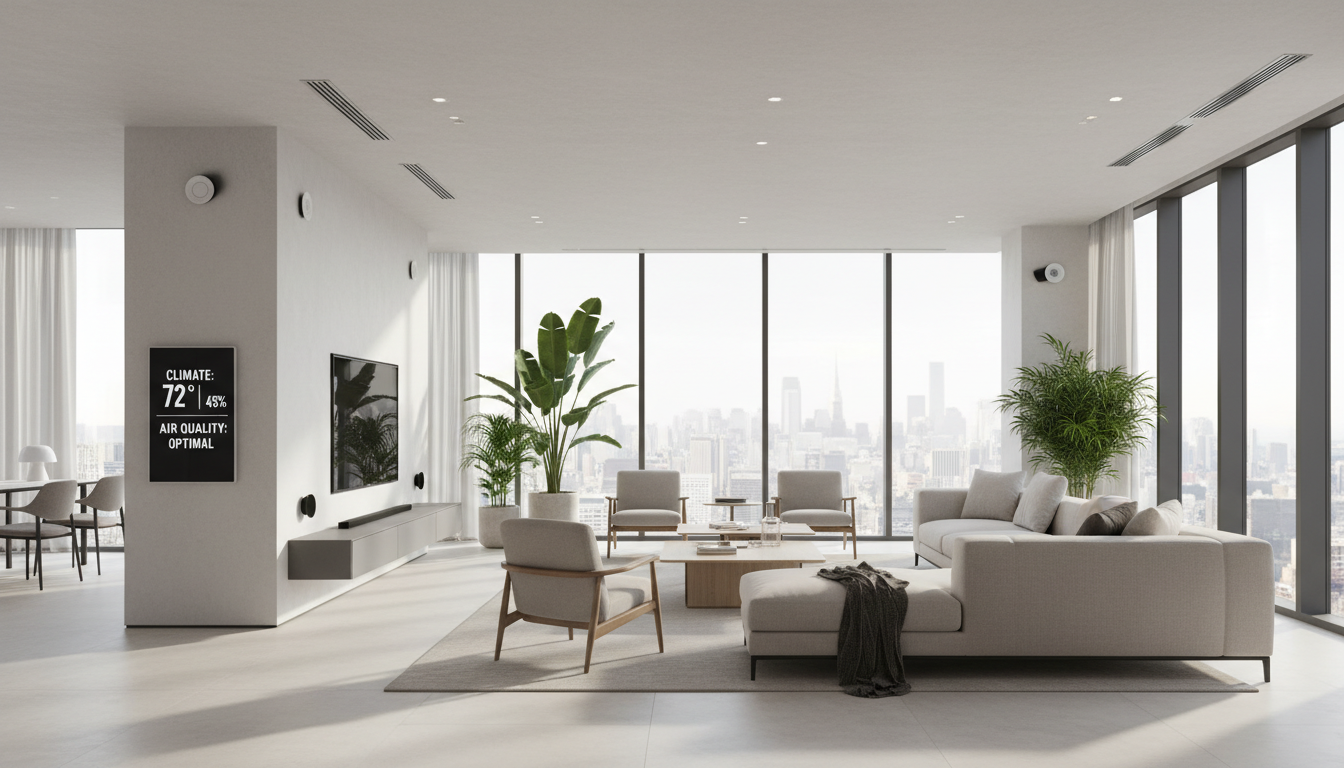
The transformation brought about remarkable results. The homeowner experienced a significant reduction in energy bills, with savings of up to 30% reported within the first few months. Equally important was the enhanced comfort achieved through consistent indoor temperatures.
Moreover, the smart technology integration allowed the homeowner to monitor and adjust settings remotely, providing convenience and further energy savings.
Conclusion
This case study demonstrates how strategic HVAC upgrades can profoundly impact a home’s energy efficiency and comfort. By addressing key issues with a comprehensive plan, homeowners can enjoy a more sustainable and pleasant living environment.
If you are facing similar challenges with your HVAC system, consider consulting with a professional to explore potential upgrades that could transform your home.